


A Comprehensive Guide to Teaching Phonics to Kindergarten Kids
- Team@FootStepPhonics

- Jul 8, 2025
- 10 min read
Updated: Jan 2
When I first began teaching phonics to my kindergarten class, I noticed how some children struggled while others seemed to grasp concepts effortlessly. The difference often came down to approach—not just what was taught, but how it was presented. Teaching phonics to kindergarten kids requires patience, creativity, and an understanding of how young minds process language connections.

Phonics instruction forms the cornerstone of early literacy, helping children decode written language by connecting letters to their corresponding sounds. This fundamental skill empowers young learners to recognize patterns, sound out unfamiliar words, and eventually develop reading fluency. With the right techniques and resources, you can transform phonics instruction from potentially confusing to genuinely engaging.
The beauty of teaching phonics lies in watching a child's face light up when they successfully decode their first word independently. That moment of achievement creates a foundation for lifelong reading confidence. Through this comprehensive guide, I'll share effective strategies, activities, and resources that have helped countless kindergartners develop strong phonics skills while actually enjoying the learning process.
Understanding the Importance of Teaching Phonics to Kindergarten Kids
Phonics instruction serves as the bridge between recognizing letters and actually reading words. When kindergartners understand how letters and sounds work together, they gain the tools to decode unfamiliar words independently rather than relying solely on memorization.
Research consistently shows that systematic phonics instruction significantly improves reading outcomes for young children. By teaching the relationship between letters and sounds, we help children develop phonological awareness—the ability to identify and manipulate the sounds in spoken language. This skill forms the foundation for all future reading success.
Teaching phonics to kindergarten kids goes beyond simply preparing them for academic achievement. It empowers children with the confidence to explore books independently, fostering curiosity and a love for reading that can last a lifetime. When children can decode words on their own, they experience the joy of discovery that makes reading truly rewarding.
The benefits extend beyond reading alone. Strong phonics skills support spelling development, vocabulary acquisition, and even comprehension. Children who understand sound-symbol relationships can focus more attention on understanding what they read rather than struggling to identify individual words. This comprehensive language development creates a positive cycle of learning and growth.
Starting with Phonological Awareness
Before diving into letter-sound relationships, kindergartners need to develop an ear for the sounds that make up spoken language. Phonological awareness serves as the foundation for phonics instruction, helping children recognize that words are made up of individual sounds that can be manipulated.
Begin with activities that focus on listening skills and sound recognition. Simple games like having children identify environmental sounds (a door closing, water running) help attune their ears to subtle differences. From there, move to activities that highlight the sounds in speech, such as clapping syllables in their names or identifying words that begin with the same sound.
Rhyming activities provide an enjoyable way to develop phonological awareness. Read rhyming books together and pause before the rhyming word, allowing children to predict what comes next. Create silly rhyming chains where each child adds a word that rhymes with the previous one. These playful interactions help children recognize sound patterns in a low-pressure environment.
Sound isolation activities help children identify individual phonemes within words. Ask questions like, "What sound do you hear at the beginning of 'sun'?" or "What sound is in the middle of 'cat'?" Use physical movements to represent sounds, such as jumping for each sound in a word, to make the abstract concept more concrete for young learners.

Introducing Letter-Sound Relationships
Once children have developed basic phonological awareness, it's time to connect these sounds to their corresponding letters. When teaching phonics to kindergarten kids, introduce letter-sound relationships systematically rather than alphabetically, starting with high-utility letters that can quickly form simple words.
Begin with a small set of consonants and one or two short vowels that can be combined to form simple words. Letters like m, s, t, and a allow children to build words like "mat," "sat," and "sam" almost immediately. This early success builds confidence and demonstrates the practical application of phonics knowledge.
Multi-sensory approaches enhance letter-sound learning by engaging multiple pathways in the brain.
Have children trace letters in sand or shaving cream while making the corresponding sound.
Create letter shapes with playdough or use body movements to form letters.
These tactile experiences create stronger neural connections than visual instruction alone.
Consistency in sound representation is crucial when teaching phonics to kindergarten kids. Use clear, consistent pronunciation of phonemes without adding extra sounds (saying "/m/" not "muh"). Provide regular opportunities for practice through games, songs, and hands-on activities that reinforce the connection between letters and their sounds.
Blending Sounds to Form Words
Blending represents a critical transition in phonics instruction—moving from isolated sounds to connected words. This skill requires children to hold individual sounds in memory while combining them into a meaningful whole, which can be challenging for many kindergartners.
Start with continuous sounds that can be stretched out (like /m/, /s/, /f/) paired with short vowels. Model slow blending by elongating each sound and gradually increasing speed: "/mmmmaaaaat/" becomes "/m-a-t/" becomes "mat." Use hand motions to represent the blending process, such as sliding your hand along your arm as you move through the sounds.
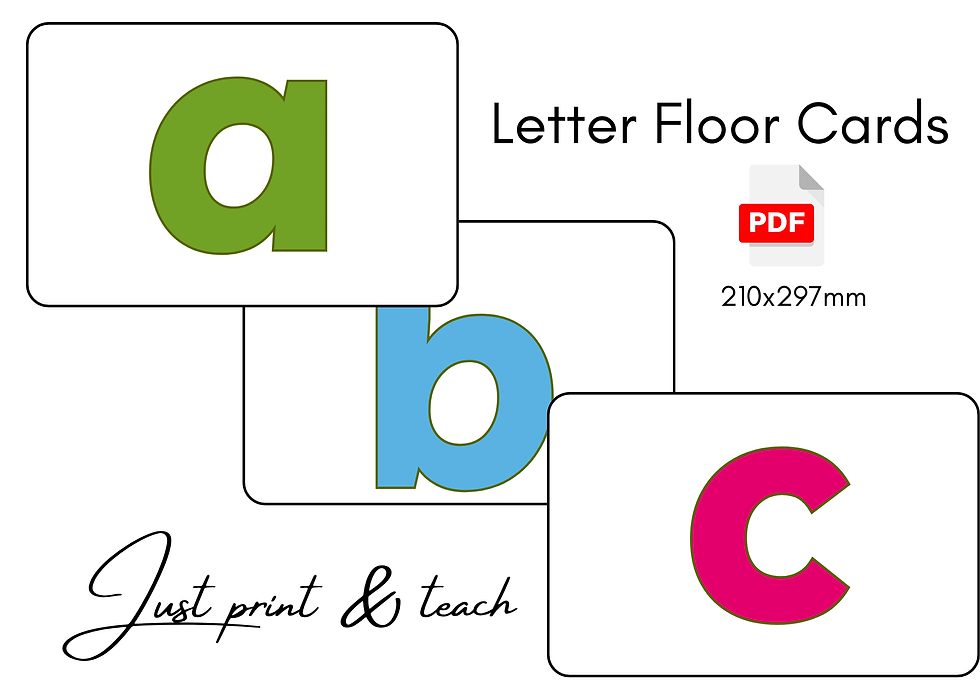
Incorporate physical movement to make blending concrete. Place letter cards on the floor and have children hop to each one while saying its sound, then blend the sounds together as they jump back through the sequence. This kinesthetic approach helps children understand the sequential nature of blending.
Practice blending with decodable readers specifically designed for beginning readers. These books contain words that follow the phonics patterns children have learned, allowing them to apply blending skills in context. FootStep Phonics offers excellent decodable readers that systematically introduce new sound-letter relationships while reinforcing previously learned patterns.
Teaching Common Phonics Patterns
As kindergartners master basic letter-sound relationships, introduce common phonics patterns that appear frequently in English words. Teaching these patterns helps children recognize larger chunks within words, increasing their reading efficiency and accuracy.
Begin with word families or rhyming patterns (like -at, -an, -ip) that allow children to change just the initial sound to create new words. Create word family houses where the "roof" contains the pattern (-at) and children can add different "doors" (consonants) to make words like cat, bat, and rat. This approach helps children see how changing one sound creates entirely new words.

Introduce consonant blends (like bl, st, tr) and digraphs (like sh, ch, th) once children are comfortable with single letter-sound relationships. Use classroom posters that visually represent these combinations with memorable images and example words. Refer to these visual aids consistently during instruction to reinforce learning.
Explicitly teach the difference between short and long vowel sounds using consistent visual cues. For example, you might use a breve symbol (˘) over short vowels and a macron (¯) over long vowels in your classroom materials. Create sorting activities where children categorize words by vowel sound, reinforcing these important distinctions.
Creating an Engaging Phonics Environment
The physical classroom environment plays a significant role in supporting phonics instruction. Create a print-rich space that reinforces phonics concepts through visual cues, interactive displays, and accessible materials.
Display alphabet charts, phonics posters, and word walls at children's eye level where they can be easily referenced during reading and writing activities. FootStep Phonics offers vibrant classroom posters that illustrate key phonics concepts with clear visuals and example words. These visual aids provide consistent support for children as they apply phonics knowledge.

Establish a dedicated phonics center with hands-on materials that children can access during independent work time. Stock the area with magnetic letters, phonics games, sound sorting activities, and decodable texts. Rotate materials regularly to maintain interest while reinforcing current instructional focus.
Label classroom items with word cards that highlight specific phonics patterns being studied. For example, during a unit on short 'a' sounds, label items like "map," "hat," and "bag." Encourage children to read these environmental print examples throughout the day, providing authentic application of their phonics knowledge.
Implementing Multi-Sensory Phonics Activities
Young children learn best through multiple sensory channels. Multi-sensory phonics activities engage visual, auditory, kinesthetic, and tactile pathways simultaneously, creating stronger neural connections and improving retention of phonics concepts.
Incorporate movement into phonics instruction to engage kinesthetic learners. Play "Sound Hopscotch" by writing letters in chalk squares and having children hop to each square while saying the corresponding sound. Create "Sound Stations" around the classroom where children perform different actions while practicing specific phonics patterns.
Utilize tactile materials that allow children to physically manipulate letters and words. Provide sand trays, textured letters, and playdough for forming letter shapes. Create "feel and find" boxes where children reach in to find objects beginning with target sounds. These hands-on experiences make abstract phonics concepts more concrete.
Integrate music and rhythm into phonics instruction through songs that emphasize specific sounds or blending patterns. Create simple chants for difficult phonics concepts, adding hand motions or body movements to reinforce learning. The combination of rhythm, movement, and sound creates multiple memory pathways for phonics information.
Using Phonics Workbooks Effectively
Quality phonics workbooks can provide structured practice opportunities when used thoughtfully as part of a comprehensive approach. The key lies in selecting appropriate materials and implementing them in ways that support active learning.
Choose phonics workbooks that align with your instructional sequence and provide adequate practice without overwhelming young learners. Look for materials that include clear instructions, engaging illustrations, and activities that progress logically from simple to more complex skills. FootStep Phonics workbooks offer systematic progression through phonics concepts with colourful, engaging activities.

Use workbook pages selectively as reinforcement rather than primary instruction. Introduce concepts through hands-on, interactive lessons first, then use workbook activities to provide additional practice. This approach ensures children understand the concepts before applying them independently.
Modify workbook activities to meet individual learning needs. For struggling students, complete the first few items together before asking them to work independently. For advanced learners, extend workbook activities with additional challenges or applications. This differentiation ensures all children receive appropriate support and challenge.
Integrating Phonics with Authentic Reading
While systematic phonics instruction is essential, it must connect to authentic reading experiences to be meaningful. Balancing skill development with genuine literacy engagement helps children understand the purpose behind phonics learning.
Incorporate decodable readers that allow children to apply phonics skills in connected text. These specially designed books contain a high percentage of words that follow the phonics patterns children have learned. Start with simple decodable texts and gradually increase complexity as children master more phonics patterns.

Bridge the gap between decodable texts and authentic literature through shared reading experiences. Read aloud high-quality picture books daily, occasionally highlighting phonics patterns within the text. This approach demonstrates how phonics knowledge applies to "real" reading while exposing children to rich vocabulary and engaging stories.
Encourage application of phonics skills during writing activities. Provide opportunities for children to write using the sounds they know, celebrating approximations that demonstrate phonics knowledge. Interactive writing sessions where the teacher and students compose text together provide scaffolded practice in applying phonics skills.
Differentiating Phonics Instruction
Every kindergarten classroom contains children at varying levels of phonics development. Effective differentiation ensures all students receive instruction matched to their current needs while moving toward grade-level expectations.
Conduct regular phonics assessments to identify each child's specific strengths and needs. Simple measures like letter-sound identification, phoneme segmentation, and reading of decodable words provide valuable information for grouping and instructional planning. Use these data to form flexible groups that change as children progress.
Provide targeted small-group instruction based on assessment results. While some children may need extended work with basic letter-sound relationships, others might be ready for more complex phonics patterns. Tailor activities, pace, and level of support to match each group's needs while maintaining high expectations for all.
Create tiered activities that address the same phonics concept at different levels of complexity. For example, during a lesson on the short 'a' sound, some children might sort pictures by beginning sound, others might build simple CVC words with short 'a', and advanced students might write sentences using short 'a' words. This approach allows all children to participate in the same concept while receiving appropriate challenge.
Supporting Struggling Readers
Some kindergartners will find phonics concepts particularly challenging. Early intervention and targeted support can help these children develop the foundational skills needed for reading success. Identify specific areas of difficulty through careful observation and assessment.
Does the child struggle with phonological awareness, letter recognition, sound-symbol correspondence, or blending? Pinpointing the exact nature of the difficulty allows for more effective intervention.
Increase instructional intensity for struggling readers through additional practice opportunities. Provide more frequent, brief practice sessions rather than longer, less frequent ones. Use consistent language, visual supports, and multi-sensory approaches to reinforce concepts in multiple ways.
Collaborate with families to extend practice beyond the classroom. Share simple games and activities that parents can use at home to reinforce current phonics concepts. Provide clear instructions and necessary materials to make home practice successful. This partnership multiplies learning opportunities and builds the child's confidence.
Monitoring Progress and Celebrating Growth
Tracking kindergartners' phonics development helps teachers adjust instruction and celebrate meaningful progress. Effective assessment practices balance formal measures with authentic observations of children's reading and writing.
Implement a system for regularly monitoring phonics skills development. Quick checks of letter-sound knowledge, phoneme segmentation ability, and word reading provide valuable data without consuming excessive instructional time. Record this information systematically to track patterns and progress over time.
Document growth through work samples that demonstrate application of phonics knowledge. Collect dated writing samples, recordings of children reading decodable texts, and notes from guided reading sessions. These authentic artifacts provide rich evidence of developing skills in context.
Celebrate progress visibly and specifically. Create individual progress charts where children can see their growing phonics knowledge. Offer specific feedback that connects effort to achievement: "You remembered all the sounds we've learned so far! Your practice is really paying off." These celebrations motivate continued effort and build children's identities as successful readers.
Partnering with Families
Family involvement significantly enhances phonics instruction. When parents understand and support phonics learning, children benefit from consistent approaches and additional practice opportunities.
Communicate clearly about your phonics instruction approach through parent newsletters, classroom websites, or information sessions. Explain key concepts in accessible language, avoiding educational jargon. Share the research supporting systematic phonics instruction to help parents understand its importance.
Provide simple, engaging activities that families can use at home to reinforce current phonics concepts. Create take-home phonics games, letter-sound cards, or decodable sentence strips that align with classroom instruction. Include clear directions and all necessary materials to ensure successful implementation.
Offer guidance on supporting reading at home without creating frustration. Demonstrate how to help children apply phonics strategies when they encounter unfamiliar words. Emphasize the importance of maintaining a positive, encouraging atmosphere during home reading sessions to preserve children's motivation and confidence.
Conclusion: Building a Strong Foundation
Teaching phonics to kindergarten kids represents one of the most important contributions educators make to children's academic futures. By systematically introducing letter-sound relationships and providing engaging practice opportunities, we equip young learners with the decoding skills needed for reading success.
The most effective phonics instruction balances explicit teaching with playful application, structured practice with authentic reading experiences. Programs like FootStep Phonics offer comprehensive resources—from systematic workbooks to engaging decodable readers to vibrant classroom posters—that support this balanced approach.
Remember that phonics knowledge is a means to an end—confident, joyful reading—not an end in itself. As you implement the strategies in this guide, maintain focus on nurturing children's love of books alongside their developing skills. When phonics instruction is engaging, systematic, and connected to meaningful reading experiences, kindergartners develop both the ability and the desire to become lifelong readers.


Comments